During the first meeting of the Council of the International Mangrove Center (IMC), seven signatory States — Burkina Faso, Comoros, Gabon, Lesotho, Madagascar, Panama and Pakistan —showcased tangible progress achieved on the ground, highlighting how their mangrove and wetland conservation efforts are delivering substantive outcomes aligned with the IMC.
Burkina Faso- Turning Ecological Threat into Economic Value
Burkina Faso updated the IMC on the country’s efforts to safeguard Ramsar Site No. 2367, which has been heavily invaded by water hyacinth (Eichhornia crassipes). The invasive species threatens biodiversity, increases evapotranspiration, obstructs navigation for fishing and accelerates the drying of water bodies. Burkina Faso has developed a solution that removes the invasive plant at scale and converts it into eco-friendly charcoal and briquettes. The result is a dual win: degraded wetlands are being restored even as invasive biomass is turned into a productive resource.
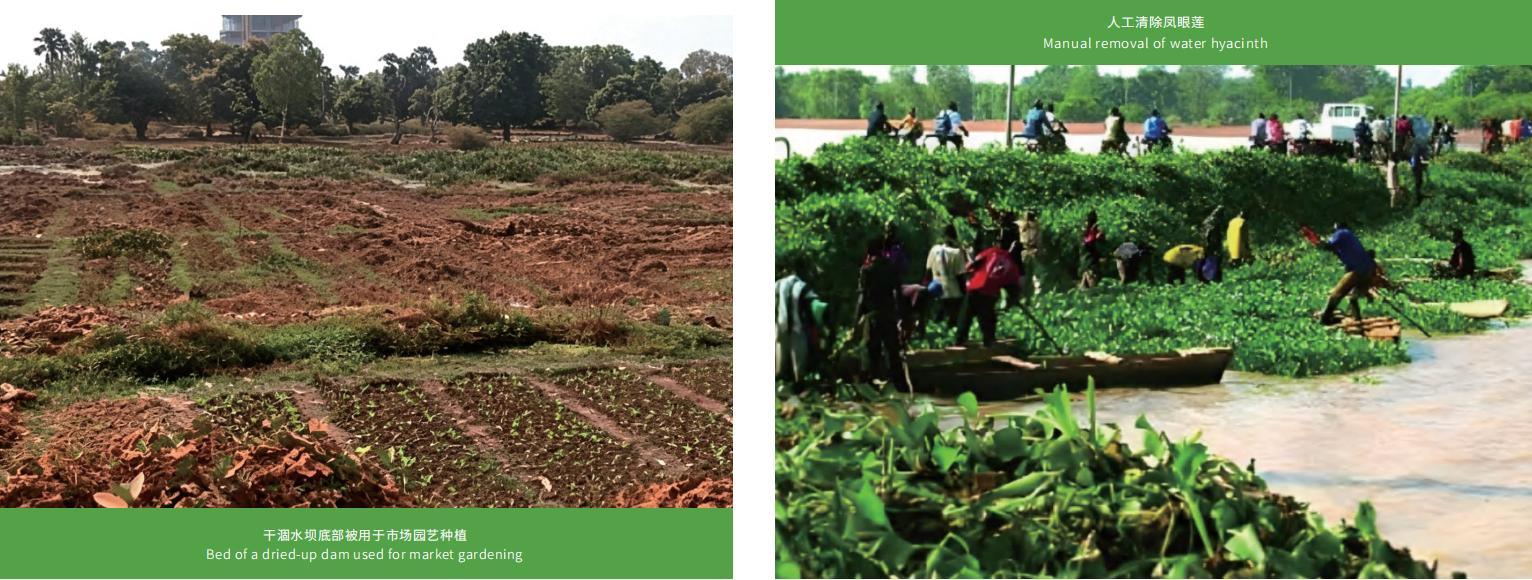
Burkina Faso's efforts on the conservation of Ramsar site no.2367
Comoros- Restoration Built on a Participatory Approach
Comoros showcased participatory mangrove restoration centred on a community nursery in Simamboini, within Coelacanth National Park. Local residents, park staff and national institutions collaborate across the full restoration cycle, from building nursery boxes and selecting propagules to raising seedlings, planting mangroves and maintaining the nursery. Mangrove planting has become a shared effort involving the Minister of Environment in charge of Tourism, officials from the General Directorate of Environment and Forests, local authorities, park staff and neighbouring communities, integrating community engagement, capacity building and institutional cooperation to strengthen the resilience of mangrove ecosystems to climate change.
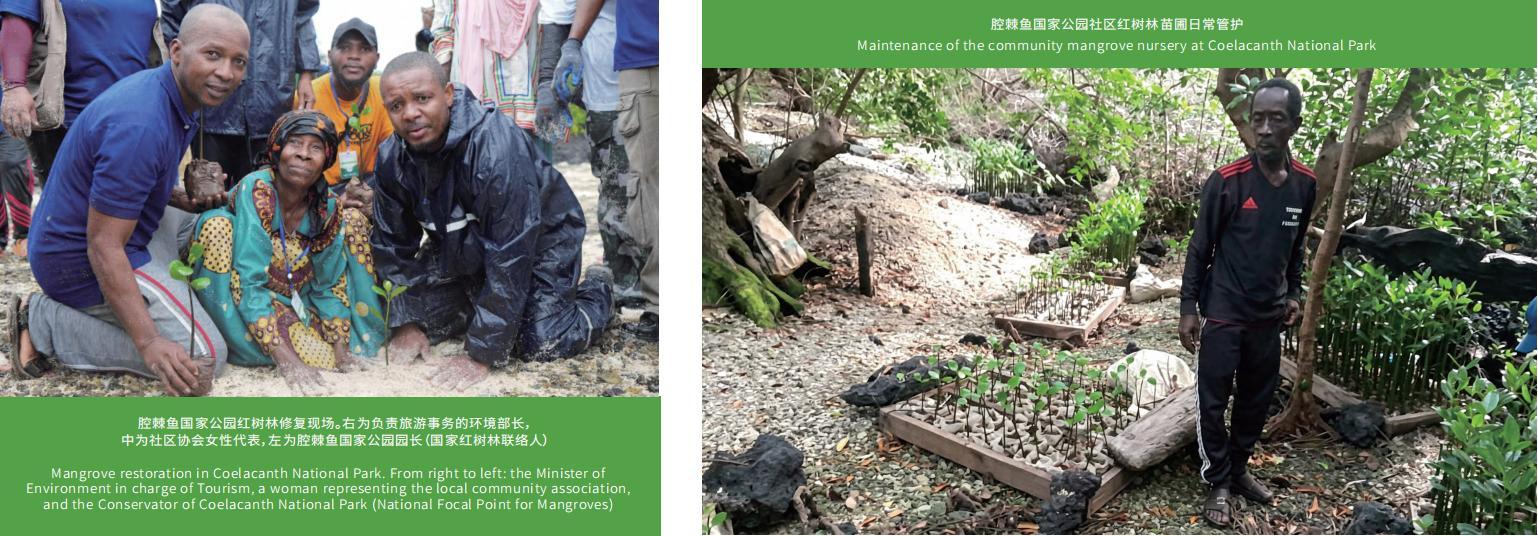
Comoros' participatory approach
Gabon-A Model of Public–Private Partnership
Gabon's Pilot Mangrove Ecological Compensation Project in Greater Libreville is restoring 17 hectares of mangroves, backed by a dedicated nursery and a 20-year ecological monitoring commitment. By mobilizing NGOs, local communities, public authorities and youth groups around a shared restoration effort, Gabon has built a partnership model now regarded as a benchmark for sustainable coastal protection.
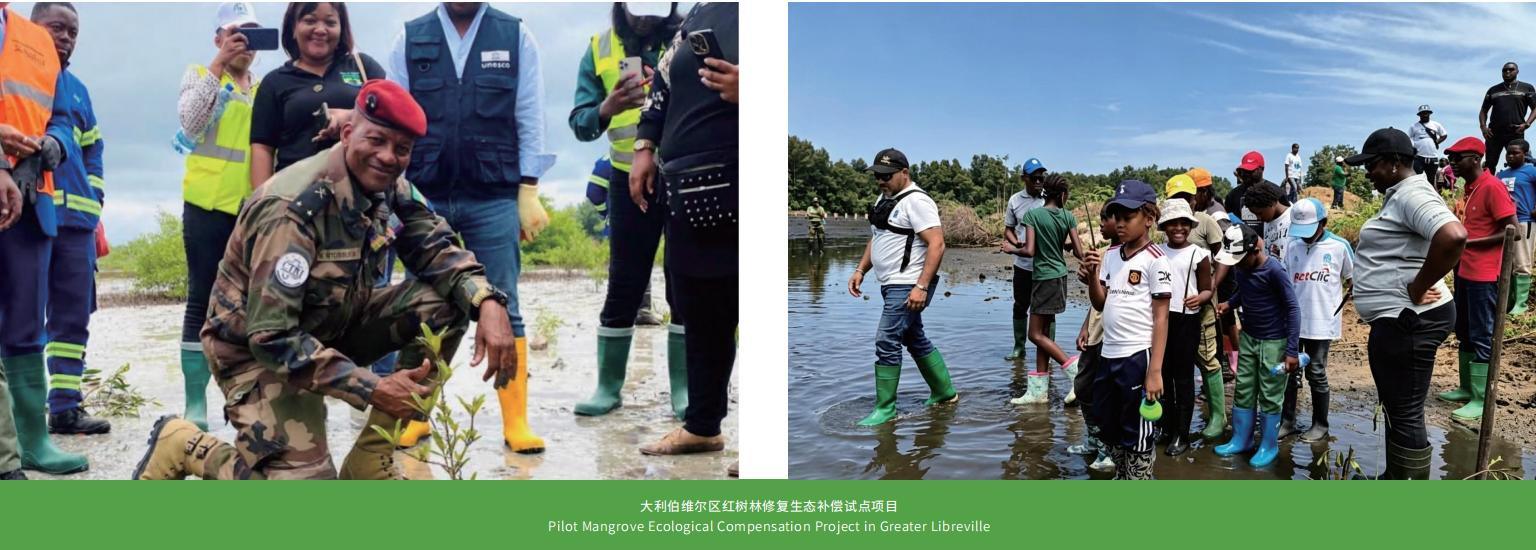
Pilot Mangrove Ecological Compensation Project in Greater Libreville
Lesotho-Community in Action
Lesotho detailed its approach to wetland conservation, focused on community-based management practices. The Jorotane Wetland, a valley-bottom fen in the Maseru District, is overseen by the local Grazing Association in coordination with the village chief and community councillor under a management plan that restricts access and prohibits livestock grazing within the wetland. Complementing this, the Lesotho Highlands Development Authority has built an alternative livestock watering point, easing pressure on the ecosystem without compromising local livelihoods.
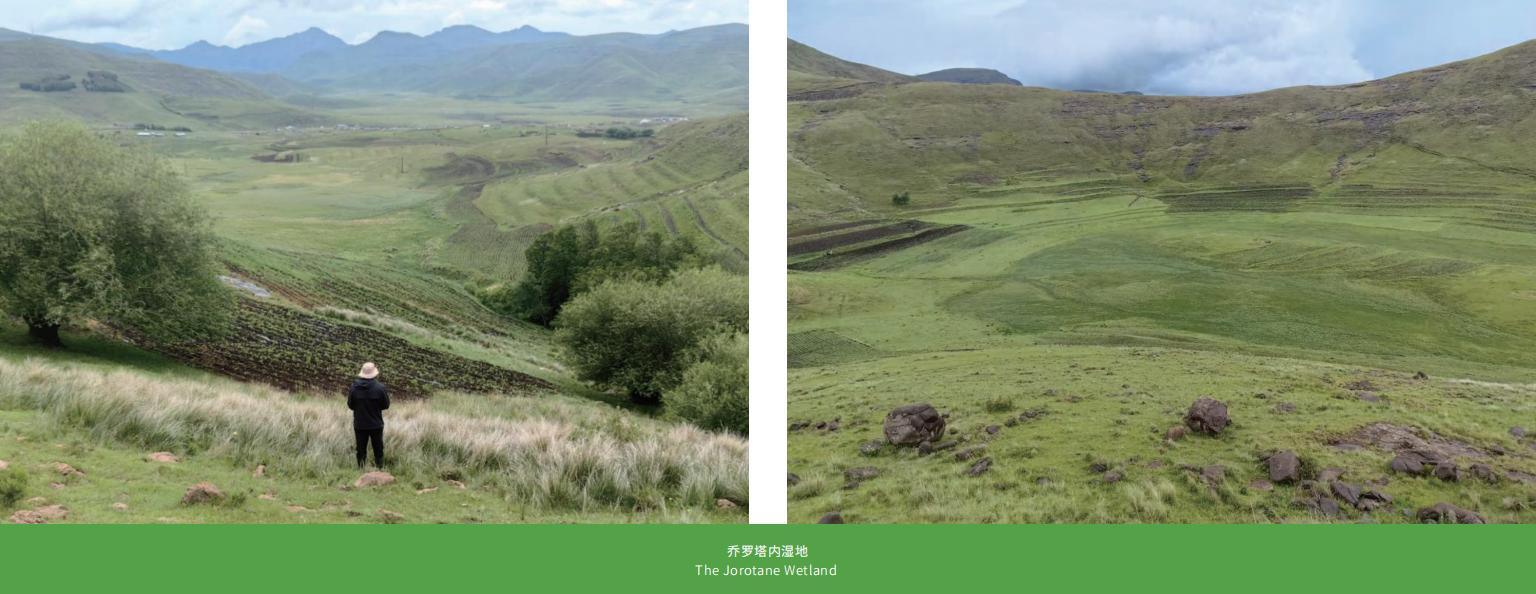
The Jorotane Wetland in Lesotho
Madagascar-Nature-Led the Recovery
Madagascar reported on community-driven efforts to restore degraded mangroves and revitalize coastal ecosystems. In northern Madagascar, the Forests4Future (F4F) project, implemented jointly by GIZ and the Ministry of Environment and Sustainable Development, applies nature-based solutions to mangrove restoration. Local communities reopen blocked tidal channels to reestablish natural hydrological processes, enabling mangroves to regenerate naturally rather than relying on large-scale planting, an approach that has strengthened biodiversity, enhanced coastal resilience and increased blue carbon storage while supporting sustainable livelihoods such as honey and wild silk production.
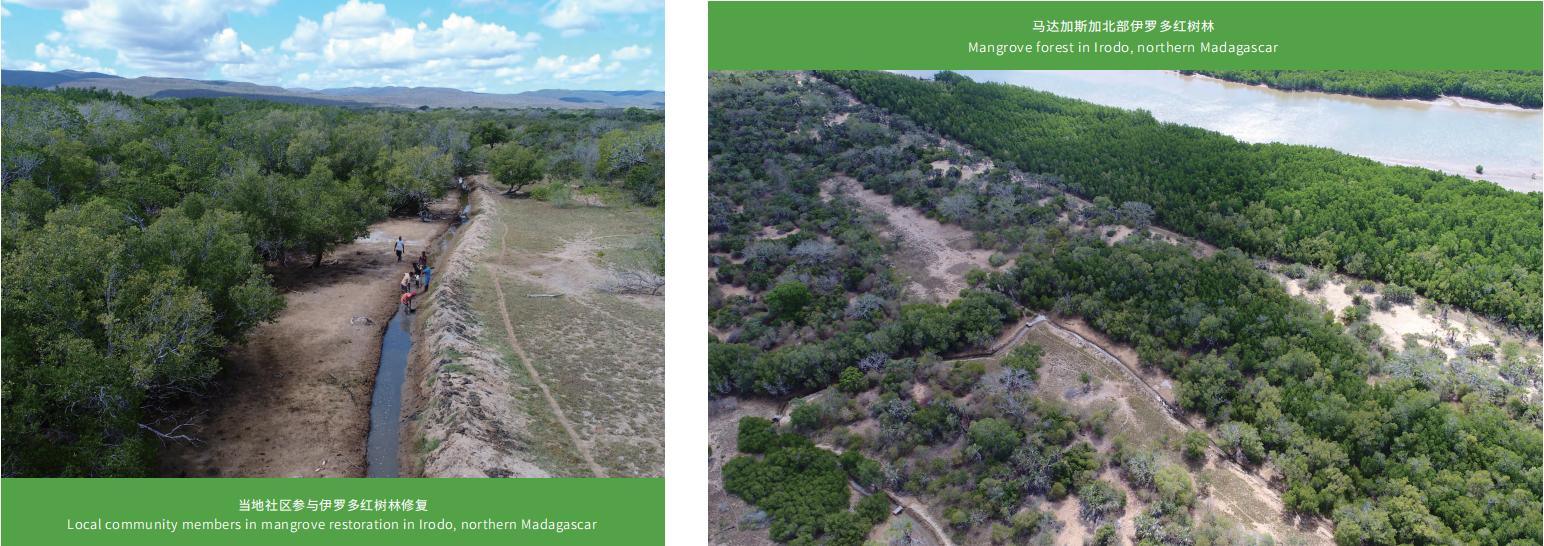
Madagascar's community-driven model
Pakistan- Actions led to Large-scale Results
Pakistan has delivered one of the region's most striking conservation results: mangrove cover in the Indus Delta, once reduced to just 80,000 hectares in 1995, has recovered to 260,000 hectares by 2026. The national approach combines assisted natural regeneration, afforestation, habitat protection and community-based management, while integrating carbon finance and sustainable livelihood opportunities, with the Delta Blue Carbon I and II projects aiming to restore 400,000 hectares of mangroves and improve the livelihoods of 100,000 people across 100 coastal villages.
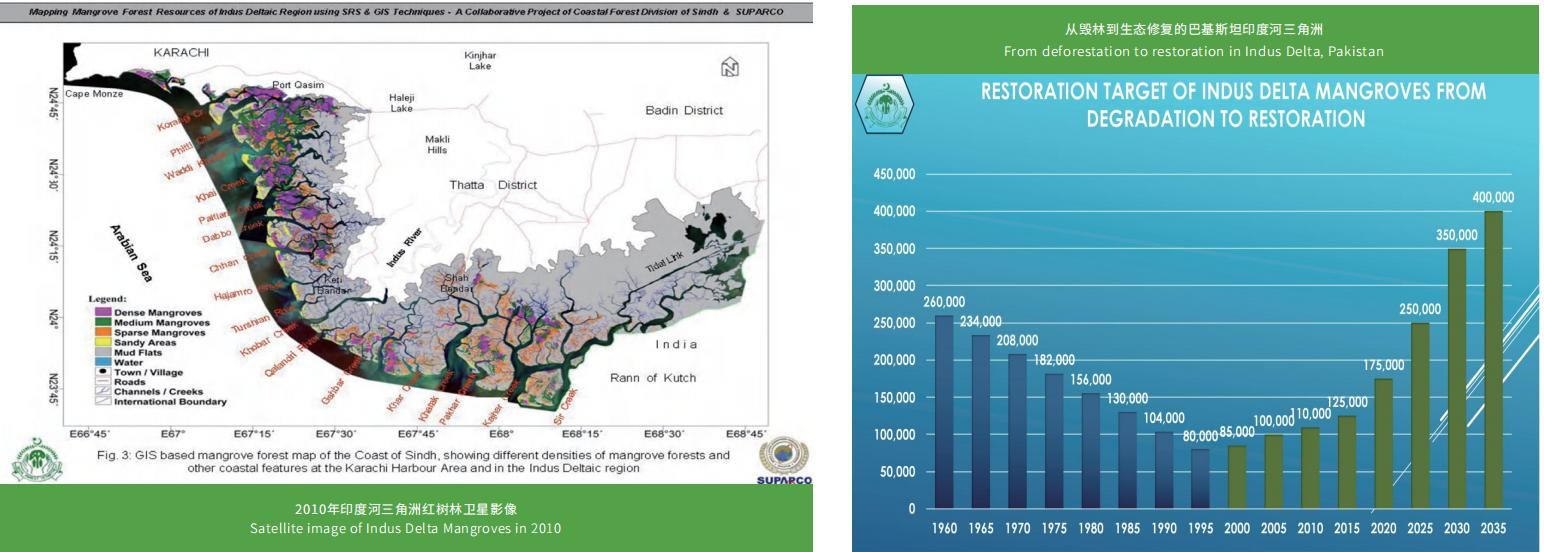
Statistics of Pakistan's effective results
Panama-Restoration of a Long-Degraded Landscape
Panama highlighted hydrology-based mangrove restoration within the Galeta Island Protected Landscape. A restoration initiative has rehabilitated 5.4 hectares of mangroves degraded by military construction in the 1960s, following detailed topographic and hydrological assessments to reopen tidal channels and reestablish natural tidal flows. Once hydrological connectivity was restored, native species such as Red mangrove (Rhizophora mangle) and Buttonwood (Conocarpus erectus) were planted, leading to the return of fish and crustaceans and the gradual recovery of natural regeneration over a five-year period, demonstrating how science-based restoration can revive ecological functions in long-degraded wetlands.
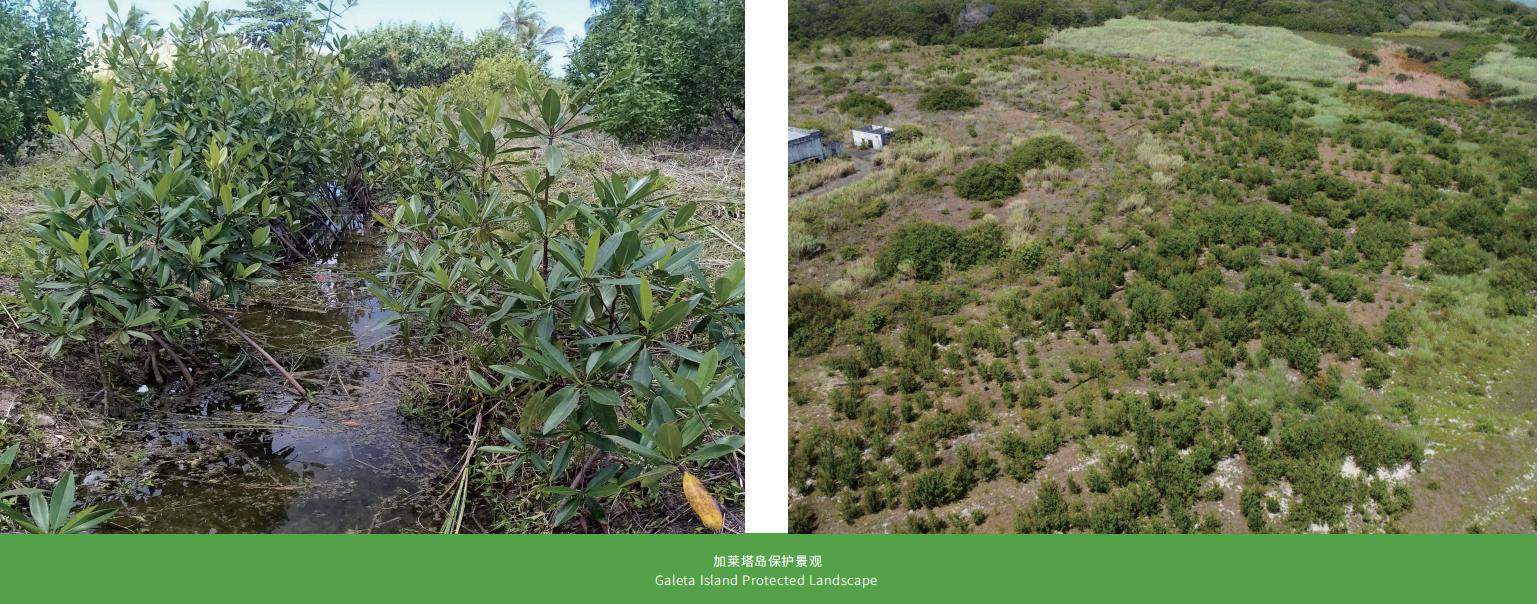
Panama's restoration efforts
With case studies from seven signatory States on display at its Inauguration, the IMC is positioning itself as a hub for knowledge-sharing, technical cooperation and partnerships to help countries translate commitments into tangible progress on the ground.